

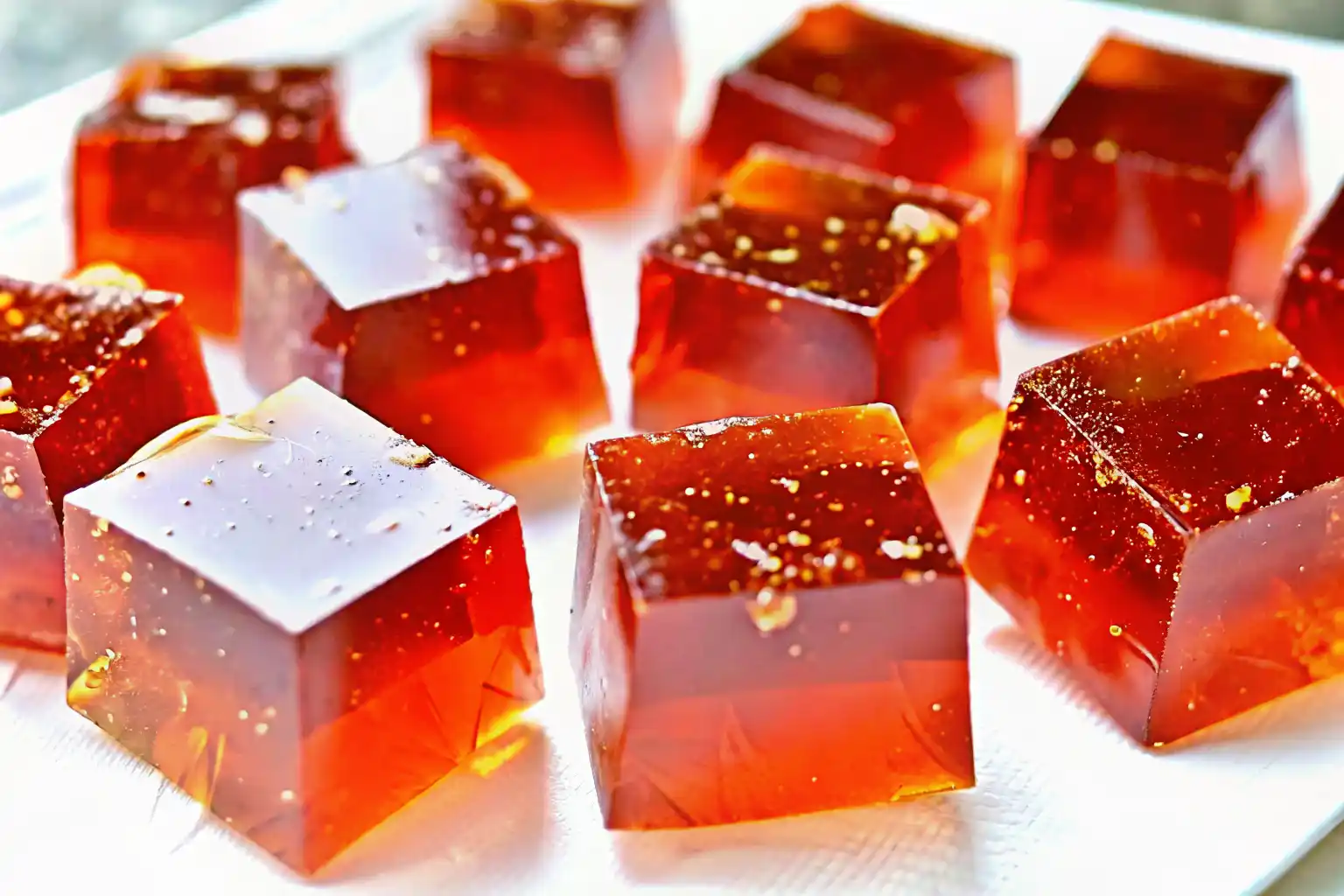
It’s all over TikTok and Reddit. But does eating Jello really help you lose weight? Let me break this down.
TL;DR: Gelatin has some legitimate benefits for satiety and gut health, but it’s not a weight loss miracle. The trend mixes real science with exaggerated claims. As a bariatric surgeon, I’ll tell you what actually works, what’s overhyped, and who might genuinely benefit.
- Gelatin is protein, and protein helps with fullness
- The “trick” works better with unflavored gelatin, not sugar-filled Jello cups
- It’s not magic, it’s basic nutrition dressed up as a hack
- For some people it’s a useful tool, for others it’s a distraction from real solutions
Why Everyone Is Suddenly Talking About Gelatin
If you’ve spent any time on social media lately, you’ve probably seen it. The “gelatin trick.” Protein Jello recipes. Claims that Rebel Wilson, Mark Hyman, and various wellness influencers swear by this one weird ingredient for appetite control and weight loss.
The comments sections are full of people sharing their experiences. Some say it changed everything. Others say it did nothing. And a lot of people are just confused about what the actual “trick” even is.
So let me put on my surgeon hat and give you a straight answer. Because there’s real science here, but there’s also a lot of noise.
What Is the Gelatin Trick, Exactly?
Here’s where the confusion starts. There isn’t one single “gelatin trick.” The term gets used for several different things:
The basic version: Eating gelatin (like Jello) before meals to fill your stomach and reduce appetite.
The protein jello version: Making homemade gelatin snacks using unflavored gelatin powder, Greek yogurt, and protein powder. This creates a high-protein, low-calorie snack that supposedly keeps you full for hours.
The bone broth version: Drinking bone broth, which naturally contains gelatin and collagen, for gut health and satiety. This is closer to what Mark Hyman and functional medicine practitioners recommend.
The collagen supplement version: Taking collagen or gelatin supplements (powders or capsules) as part of a weight loss routine. This is what many celebrities reportedly incorporate into their regimens.
These are all related but not identical. And they don’t all work equally well.
The Science That’s Actually Real
Let me be clear: gelatin isn’t snake oil. There’s legitimate science behind some of these claims.
Gelatin is protein. Pure, unflavored gelatin is almost entirely protein (about 85 to 90 percent). Protein is the most satiating macronutrient. It keeps you fuller longer than carbs or fat. This isn’t controversial. It’s basic nutrition science that’s been confirmed repeatedly.
It does expand slightly in your stomach. Gelatin absorbs water and creates volume. Eating something that takes up space in your stomach before a meal can reduce how much you eat at that meal. Again, this is real.
Collagen may support gut health. There’s emerging research suggesting that collagen and gelatin can help support the gut lining. For people with digestive issues, this might have indirect benefits for overall health and even weight management. The research is still developing, but it’s not baseless.
Glycine has calming effects. Gelatin is high in the amino acid glycine, which has been shown to improve sleep quality and reduce stress in some studies. Better sleep and lower stress can absolutely support weight management.
So yes, there’s real science here. The trend isn’t pure fiction.
Where the Hype Goes Off the Rails
Now here’s where I start rolling my eyes a bit.
Eating sugar-filled Jello cups won’t help you lose weight. The store-bought Jello that most people think of is mostly sugar, artificial flavors, and a tiny amount of gelatin. If you’re eating that expecting weight loss benefits, you’re consuming extra sugar and calories for minimal protein. That’s not a trick. That’s a dessert.
Gelatin isn’t a metabolism booster. I’ve seen claims that gelatin “fires up your metabolism” or “burns fat.” There’s no evidence for this. Protein does require more energy to digest than carbs or fat (called the thermic effect), but we’re talking about a modest difference, not a metabolic transformation.
One ingredient won’t overcome a calorie surplus. If you add gelatin snacks to your diet without changing anything else, you might just be adding calories. The satiety benefits only work if the gelatin actually causes you to eat less at other times.
Celebrity endorsements are marketing, not science. Yes, Rebel Wilson incorporated collagen and gelatin into her routine. She also worked with professional trainers, nutritionists, followed a structured diet plan, and exercised consistently. Attributing her transformation to gelatin is like saying a race car won because of its paint color.
My Honest Take as a Bariatric Surgeon
Here’s what I tell my patients when they ask about trends like this.
For someone who struggles with afternoon snacking or arrives at dinner so hungry they overeat, a high-protein gelatin snack might genuinely help. Making a batch of protein jello with unflavored gelatin, Greek yogurt, and protein powder gives you a convenient, portion-controlled snack that’s mostly protein. If that replaces chips or cookies or mindless grazing, great. That’s a reasonable swap.
For someone looking to improve their overall protein intake, adding gelatin or collagen to smoothies, coffee, or other foods is fine. It’s a protein source. Not a magic one, but a legitimate one.
For someone with significant weight to lose (the patients I typically see), gelatin is not going to solve the problem. It might be a small helpful tool within a larger strategy, but it’s not a solution in itself. The people in my office have usually tried every trick, every hack, every trending ingredient. If gelatin alone worked for substantial weight loss, they wouldn’t be sitting across from me.
And for someone who’s using “trying the gelatin trick” as a way to avoid addressing the real issues with their eating habits, relationships with food, or underlying health conditions, it’s a distraction. A comfortable one, but a distraction nonetheless.
If You Want to Try It, Do It Right
If you’re curious and want to experiment, here’s how to actually give it a fair shot:
Use unflavored gelatin powder. Brands like Great Lakes, Vital Proteins, Knox, or any pure gelatin powder. Not the flavored, sugared stuff.
Make it protein-dense. The recipes that combine gelatin with Greek yogurt and protein powder are more effective than plain gelatin because you’re stacking protein sources.
Use it strategically. Have it as a snack when you’re typically hungriest, like mid-afternoon if that’s when you struggle. The goal is for it to reduce what you eat later, not add to your total intake.
Give it a real trial. A few days isn’t enough. Try it consistently for two to three weeks before deciding if it’s helpful for you.
Track what actually happens. Are you eating less at dinner? Snacking less in the evening? Feeling more satisfied? Or are you just eating gelatin on top of everything else? Be honest with yourself.
The Bigger Picture
Look, I’m not here to crush anyone’s excitement about a trend that might help them. If making protein jello gives you a tool that makes eating better feel more manageable, use it. Anything that helps you build sustainable habits is valuable.
But I’ve been doing this long enough to know that the search for the one trick, the secret ingredient, the thing everyone else knows that you don’t, is usually a detour. The fundamentals are boring but true: protein at every meal, vegetables, reasonable portions, regular movement, adequate sleep, managed stress.
Gelatin can fit into that picture. It just can’t replace it.
When to Consider Something More
If you’ve tried every dietary approach, every trick, every trend, and you’re still struggling with your weight in a way that affects your health and quality of life, that’s worth a real conversation with a medical professional.
Sometimes the answer isn’t another adjustment to your snacking routine. Sometimes it’s addressing metabolic factors, hormonal issues, or considering interventions that create lasting change.
I’m not saying that to sell you on surgery. I’m saying it because I’ve watched too many patients spend years bouncing between trends when what they needed was a more comprehensive solution.
Key Takeaways
- Gelatin is protein, and protein genuinely helps with satiety
- The “trick” works best with unflavored gelatin in high-protein recipes, not sugary Jello
- It’s not a metabolism booster or fat burner despite what some claim
- For moderate appetite control, it can be a useful tool
- It won’t solve significant weight issues on its own
- Celebrity endorsements aren’t scientific evidence
Your Next Step
If you’re curious about gelatin, try making a batch of protein jello and see if it helps your hunger patterns. If you’ve been trying tricks like this for years without lasting results and you’re ready for a different conversation, I’m here for that too.