

By Dr. Gabriela Rodríguez Ruiz, MD, FACS
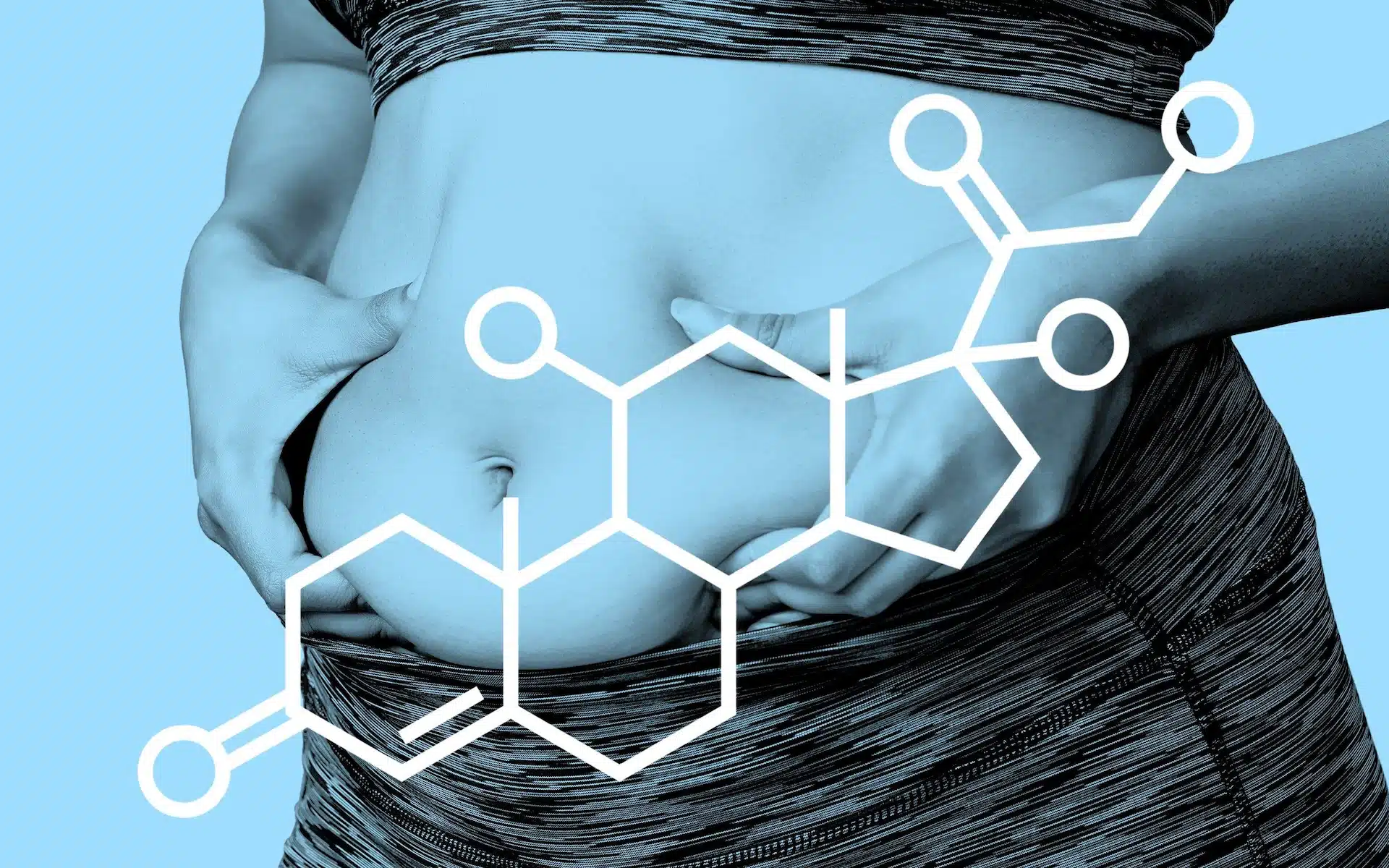
Let me guess. You’ve been scrolling through TikTok, and someone with perfect lighting and a ring light has told you that your belly fat isn’t really your fault. It’s your cortisol. Your “stress hormones.” Your “adrenal fatigue.”
{ “@context”: “https://schema.org”, “@graph”: [ { “@type”: “Article”, “@id”: “https://vidawellnessandbeauty.com/blog/cortisol-belly-myth-debunked/#article”, “headline”: “The Cortisol Belly Myth: What Your Favorite Influencer Won’t Tell You”, “description”: “Board-certified bariatric surgeon debunks the cortisol belly myth and explains why cortisol cocktails don’t cause weight loss.”, “author”: { “@type”: “Person”, “@id”: “https://vidawellnessandbeauty.com/doctors/dr-gabriela-rodriguez/#person”, “name”: “Dr. Gabriela Rodríguez Ruiz”, “jobTitle”: “Bariatric Surgeon”, “description”: “Board-certified bariatric surgeon with over 7,800 procedures performed. Fellow of the American College of Surgeons and member of the American Society for Metabolic and Bariatric Surgery.”, “sameAs”: [ “https://www.realself.com/dr/gabriela-rodriguez-ruiz-tijuana-bc”, “https://www.instagram.com/drgabrielarodriguez” ] }, “publisher”: { “@type”: “Organization”, “name”: “VIDA Wellness and Beauty”, “logo”: { “@type”: “ImageObject”, “url”: “https://vidawellnessandbeauty.com/logo.png” } }, “datePublished”: “2026-01-05”, “dateModified”: “2026-01-05”, “mainEntityOfPage”: { “@type”: “WebPage”, “@id”: “https://vidawellnessandbeauty.com/blog/cortisol-belly-myth-debunked/” }, “keywords”: [“cortisol belly myth”, “cortisol cocktail”, “adrenal fatigue debunked”, “belly fat causes”, “weight loss myths”], “articleSection”: “Weight Loss Myths” }, { “@type”: “MedicalWebPage”, “about”: { “@type”: “MedicalCondition”, “name”: “Obesity”, “alternateName”: “Abdominal obesity” }, “audience”: { “@type”: “MedicalAudience”, “audienceType”: “Patient” }, “reviewedBy”: { “@type”: “Person”, “name”: “Dr. Gabriela Rodríguez Ruiz”, “jobTitle”: “Bariatric Surgeon”, “credential”: [ “Fellow of the American College of Surgeons”, “Master Surgeon in Metabolic and Bariatric Surgery”, “Board Certified by the Mexican Council of General Surgery” ] }, “lastReviewed”: “2026-01-05” }, { “@type”: “FAQPage”, “mainEntity”: [ { “@type”: “Question”, “name”: “Is cortisol belly a real medical condition?”, “acceptedAnswer”: { “@type”: “Answer”, “text”: “No. ‘Cortisol belly’ is not a recognized medical diagnosis. While the hormone cortisol is real and important for many body functions, the idea that everyday stress causes cortisol levels high enough to directly cause belly fat accumulation is not supported by scientific evidence. The only condition where cortisol genuinely causes dramatic belly fat is Cushing’s syndrome, a rare disorder usually caused by a tumor.” } }, { “@type”: “Question”, “name”: “Do cortisol cocktails actually lower cortisol or reduce belly fat?”, “acceptedAnswer”: { “@type”: “Answer”, “text”: “No. According to medical experts, there is no scientific evidence that cortisol cocktails (typically made of orange juice, coconut water, and sea salt) have any effect on cortisol levels or belly fat. Dr. Omar Khokhar of OSF HealthCare states that these drinks ‘do not in any way shape or form alter your cortisol levels.’ The drinks may provide hydration and some nutrients, but they won’t change your hormones or cause weight loss.” } }, { “@type”: “Question”, “name”: “Is adrenal fatigue a real condition?”, “acceptedAnswer”: { “@type”: “Answer”, “text”: “No. A 2016 systematic review in BMC Endocrine Disorders concluded definitively that ‘there is no substantiation that adrenal fatigue is an actual medical condition.’ No major endocrinology society, including the Endocrine Society, recognizes adrenal fatigue as a diagnosis. However, adrenal insufficiency is a real and serious condition that requires medical treatment.” } }, { “@type”: “Question”, “name”: “What actually causes belly fat?”, “acceptedAnswer”: { “@type”: “Answer”, “text”: “Belly fat is caused by a complex combination of factors including genetics, diet, physical activity levels, sleep quality, hormonal changes (particularly during menopause), certain medications, and metabolic conditions like insulin resistance. While stress can indirectly contribute to weight gain through behavioral factors (emotional eating, poor sleep, reduced exercise), the direct cortisol-to-belly-fat pathway promoted on social media is not supported by evidence.” } }, { “@type”: “Question”, “name”: “How is Cushing’s syndrome different from normal stress?”, “acceptedAnswer”: { “@type”: “Answer”, “text”: “Cushing’s syndrome involves dramatically elevated cortisol levels, usually caused by a tumor, that are far beyond anything produced by everyday stress. Symptoms include rapid weight gain in the face and abdomen, purple stretch marks, thin fragile skin, a fatty hump between the shoulders, muscle weakness, and high blood pressure. It affects only 10-15 people per million per year and requires blood tests and specialist evaluation to diagnose.” } }, { “@type”: “Question”, “name”: “Why did the FTC take action against cortisol weight loss products?”, “acceptedAnswer”: { “@type”: “Answer”, “text”: “In 2004, the FTC sued the marketers of CortiSlim and CortiStress for making unsubstantiated claims that their products could cause weight loss by controlling cortisol. The FTC stated that claims like losing 10-50 pounds or targeting belly fat specifically were false and not supported by evidence. The FDA also took action, warning that such marketing claims violated federal law.” } }, { “@type”: “Question”, “name”: “Are cortisol-lowering supplements safe?”, “acceptedAnswer”: { “@type”: “Answer”, “text”: “Many cortisol supplements are poorly regulated and may contain steroids or steroid-like compounds. Dr. Anat Ben-Shlomo at Cedars-Sinai warns that some supplements ‘can make you feel good at first because it’s a steroid. But over time, it can actually inhibit your adrenal glands.’ Always consult a doctor before taking supplements claiming to affect hormones.” } }, { “@type”: “Question”, “name”: “How does stress actually affect weight?”, “acceptedAnswer”: { “@type”: “Answer”, “text”: “Stress affects weight primarily through behavioral pathways, not direct hormonal fat storage. When stressed, people are more likely to eat for emotional comfort, reach for high-calorie foods, sleep poorly (which affects hunger hormones), skip exercise, and make impulsive food decisions. These behavioral effects are well-documented and treatable through stress management, better sleep, and lifestyle changes.” } }, { “@type”: “Question”, “name”: “What should I do if I have stubborn belly fat?”, “acceptedAnswer”: { “@type”: “Answer”, “text”: “First, get a proper medical evaluation to rule out conditions that genuinely affect weight: thyroid disorders, sleep apnea, PCOS, insulin resistance, or medication side effects. Focus on evidence-based approaches: quality sleep (7-8 hours), stress management through proven methods like exercise and therapy, sustainable nutrition patterns like the Mediterranean diet, and if appropriate for your BMI, discuss medical interventions including bariatric surgery with a qualified surgeon.” } }, { “@type”: “Question”, “name”: “When should I see a doctor about cortisol levels?”, “acceptedAnswer”: { “@type”: “Answer”, “text”: “You should see an endocrinologist if you have symptoms of actual Cushing’s syndrome: rapid unexplained weight gain especially in face and abdomen, purple stretch marks, thin fragile skin that bruises easily, muscle weakness in arms and legs, a fatty lump between your shoulders, high blood pressure, or high blood sugar. Regular cortisol testing is not recommended for everyday stress or general fatigue.” } } ] } ] }And conveniently, they have a solution: a “cortisol cocktail” made of orange juice, coconut water, and sea salt. Or maybe some supplements. Or a 30-day “cortisol reset” program.
Here’s what I need you to understand after performing over 7,800 bariatric surgeries and treating thousands of patients struggling with weight: the “cortisol belly” as it’s presented on social media is not a real medical diagnosis. It’s diet culture repackaged as wellness. And it’s keeping people from getting the help they actually need.
What Cortisol Actually Does (The Science They Skip)
Cortisol is a hormone produced by your adrenal glands. It’s often called the “stress hormone,” but that’s an oversimplification that has been weaponized by wellness influencers.
Cortisol is essential for life. You cannot survive without it. It:
- Regulates your blood sugar
- Controls your metabolism
- Manages your inflammatory response
- Helps you wake up in the morning
- Supports your immune function
- Helps your body respond to actual emergencies
Your cortisol follows a natural rhythm: it peaks in the early morning to help you wake up and gradually decreases throughout the day, reaching its lowest point around midnight.
When you experience stress, your cortisol rises temporarily. This is normal. This is healthy. This is how your body is supposed to work.
The problem is that “cortisol” has become a scapegoat for everything, and entire industries have been built around “fixing” something that, in most people, isn’t broken.
The Claim vs. The Evidence
The claim: Chronic stress causes high cortisol, which directly causes belly fat accumulation. Lower your cortisol with special drinks, supplements, or programs, and the belly fat will melt away.
The evidence: According to Dr. Rexford Ahima, Director of the Division of Endocrinology, Diabetes, and Metabolism at Johns Hopkins Medicine: “The idea is that chronic stress leads to high cortisol levels that drives excess abdominal fat accumulation, but this concept is not supported by evidence.“
He continues: “While psychosocial stress and cortisol have been linked to central obesity in the media, research findings do not support a cause-and-effect relationship between cortisol and central fat accumulation in most people with obesity.“
Let me repeat that: the science does not support a direct cause-and-effect relationship between your stress levels and your belly fat in most people.
When Cortisol Actually Does Cause Belly Fat
There is one condition where high cortisol directly causes dramatic weight gain, particularly around the abdomen: Cushing’s syndrome.
Cushing’s syndrome is a serious medical condition, usually caused by a tumor, where the body produces dramatically elevated cortisol levels over extended periods. It’s rare, affecting only 10 to 15 people per million each year.
Signs of actual Cushing’s syndrome include:
- Rapid weight gain, especially in the face and abdomen
- A fatty lump between the shoulders (often called a “buffalo hump”)
- Purple or pink stretch marks on the stomach, hips, and breasts
- Thin, fragile skin that bruises easily
- Muscle weakness in the arms and legs
- High blood pressure
- High blood sugar
The cortisol levels in Cushing’s syndrome are dramatically higher than anything caused by everyday stress. We’re talking about cortisol levels that don’t respond to normal suppression tests, that remain elevated even at midnight when they should be at their lowest.
The cortisol your body releases because you had a stressful meeting or a fight with your partner doesn’t even come close to these levels.
If you genuinely suspect you have a cortisol problem, you need blood tests, urine tests, and evaluation by an endocrinologist. You don’t need a TikTok cocktail.
“Adrenal Fatigue” Is Not Real
While we’re clearing up misconceptions, let’s address another myth that often accompanies the cortisol belly trend: “adrenal fatigue.”
The claim is that chronic stress “exhausts” your adrenal glands until they can no longer produce enough cortisol.
In 2016, a systematic review published in BMC Endocrine Disorders examined 58 studies on this topic. The conclusion was definitive: “This systematic review proves that there is no substantiation that ‘adrenal fatigue’ is an actual medical condition. Therefore, adrenal fatigue is still a myth.”
No major endocrinology society recognizes adrenal fatigue as a real diagnosis. Not the Endocrine Society. Not the American Medical Association. Not the American Board of Medical Specialties.
What does exist is adrenal insufficiency, a serious condition where the adrenal glands genuinely fail to produce enough cortisol. This causes severe symptoms like nausea, vomiting, dangerously low blood pressure, and extreme fatigue. It requires immediate medical treatment, not supplements or special drinks.
The Cortisol Cocktail: What It Actually Does
Let’s break down what’s in these viral “cortisol cocktails”:
- Orange juice (vitamin C, sugar)
- Coconut water (potassium, electrolytes)
- Sea salt (sodium)
- Sometimes magnesium powder or cream of tartar
As Lindsay Malone, an integrative and functional medicine dietitian at Case Western Reserve University, told CBS News: “As soon as I saw the ingredients, I was like, this looks remarkably similar to a sports drink you would mix up.”
Dr. Leana Wen, CNN Medical Analyst, stated clearly: “There is no scientific evidence that this drink has the effects it purports.”
Dr. Omar Khokhar, a gastroenterologist at OSF HealthCare, was even more direct: “Adrenal fatigue has been debunked in 2016 by a meta-analysis, and it is not a true condition. The other pertinent point that people should know is that taking a cortisol mocktail does not in any way shape or form alter your cortisol levels.“
The drink might taste nice. It might hydrate you. But it’s not going to change your cortisol levels or magically reduce your belly fat.
The FTC Has Already Taken Action
This isn’t even the first time we’ve seen this pattern. In 2004, the Federal Trade Commission filed suit against the marketers of “CortiSlim” and “CortiStress,” products that claimed to cause weight loss by controlling cortisol.
The FTC’s charges included claims that the products would:
- Cause weight loss of 10 to 50 pounds
- Help users lose 4 to 10 pounds per week
- Target fat specifically in the abdomen, stomach, and thighs
The FTC stated: “No pill can replace a healthy program of diet and exercise.”
The Food and Drug Administration also took action, warning that the marketing claims were unsubstantiated and violated federal law.
Yet here we are, twenty years later, watching the same claims recycled on TikTok with a trendy new name.
What Stress Actually Does to Your Weight
I’m not saying stress has no relationship to weight. It does. But it’s not through the mechanism that influencers describe.
When you’re stressed, you’re more likely to:
- Eat for emotional comfort rather than hunger
- Reach for high-calorie, high-sugar “comfort foods”
- Sleep poorly, which disrupts hunger hormones
- Skip exercise because you’re exhausted
- Make impulsive food decisions
This is behavioral. This is how stress affects most people’s weight. It’s not your cortisol magically turning calories into belly fat. It’s the choices stress leads you to make.
And here’s the frustrating part: those behaviors? They’re incredibly common, they’re understandable, and they’re treatable. But not with a juice cocktail.
Why This Myth Is Harmful
The “cortisol belly” narrative does real damage in several ways:
1. It delays real treatment. People spend months or years trying cortisol supplements, special drinks, and “adrenal support” programs instead of addressing the actual causes of their weight gain.
2. It can be dangerous. Some “cortisol support” supplements actually contain steroids or steroid-like compounds. As Dr. Anat Ben-Shlomo at Cedars-Sinai warns: “The supplement can make you feel good at first because it’s a steroid. But over time, it can actually inhibit your adrenal glands.”
3. It ignores real medical conditions. Instead of investigating potential issues like sleep apnea, depression, thyroid disorders, or metabolic dysfunction, people attribute their symptoms to a fake diagnosis.
4. It simplifies a complex problem. Weight is influenced by genetics, environment, behavior, hormones, medications, gut microbiome, sleep, psychological factors, and more. Reducing it to “stress = cortisol = belly fat” is not just wrong; it’s counterproductive.
5. It keeps people from effective solutions. For patients with severe obesity, interventions like bariatric surgery offer real, sustained results that no cortisol cocktail ever will.
What Actually Helps
If you’re struggling with belly fat, here’s what the evidence actually supports:
Get evaluated properly. Rule out medical conditions that genuinely affect weight: thyroid disorders, sleep apnea, polycystic ovary syndrome, insulin resistance, medication side effects.
Address sleep. Poor sleep genuinely does affect hormones related to hunger and metabolism. Getting 7 to 8 hours of quality sleep is one of the most evidence-based interventions for weight management.
Manage stress through proven methods. Not special drinks, but actual stress management: exercise, meditation, therapy, improving the circumstances causing your stress.
Focus on sustainable nutrition. Not a “cortisol diet,” but a balanced way of eating you can maintain long-term. The Mediterranean diet, for example, has strong evidence for metabolic health.
Consider medical intervention if appropriate. For patients with BMI over 35, or over 30 with metabolic complications, bariatric surgery has 30 years of evidence showing sustained weight loss and improvement in nearly every obesity-related condition.
The Bottom Line
If someone online is telling you that your belly fat is a “cortisol problem” that can be fixed with their special drink, supplement, or program, they’re either misinformed or trying to sell you something.
The science is clear: there is no evidence that cortisol from everyday stress directly causes belly fat accumulation in most people, and there is no evidence that cortisol cocktails or similar interventions reduce belly fat.
Your weight is not a character flaw. Your stress is real. Your struggles are valid. But the solution isn’t in a viral TikTok drink.
If you’ve been trying cortisol cocktails and adrenal supplements without results, it’s not because you’re doing it wrong. It’s because you’ve been sold a myth. The real answers require real medical evaluation, not wellness trends.
Dr. Gabriela Rodríguez Ruiz is a board-certified bariatric surgeon with over 7,800 procedures performed. She is a Fellow of the American College of Surgeons, a member of the American Society for Metabolic and Bariatric Surgery, and holds the designation of Master Surgeon in Metabolic and Bariatric Surgery. She practices at VIDA Wellness and Beauty in Tijuana, Mexico, where she treats patients from across the United States.