
TL;DR
- Yes, bariatric surgery in Tijuana is safe when performed at an accredited facility by a board-certified, high-volume surgeon. The mortality rate for sleeve gastrectomy at accredited centers is approximately 0.05%, comparable to gallbladder removal.
- The safety variable is not geography. It is surgeon volume, credentials, and facility accreditation. A published 2018 analysis of 500 bariatric procedures at a high-volume Mexican center reported zero mortality (Revista de Gastroenterología de México, PMID: 29933896).
- Before choosing any surgeon in Tijuana, verify five things: board certification, international accreditation, FACS fellowship status, annual case volume, and published complication data.
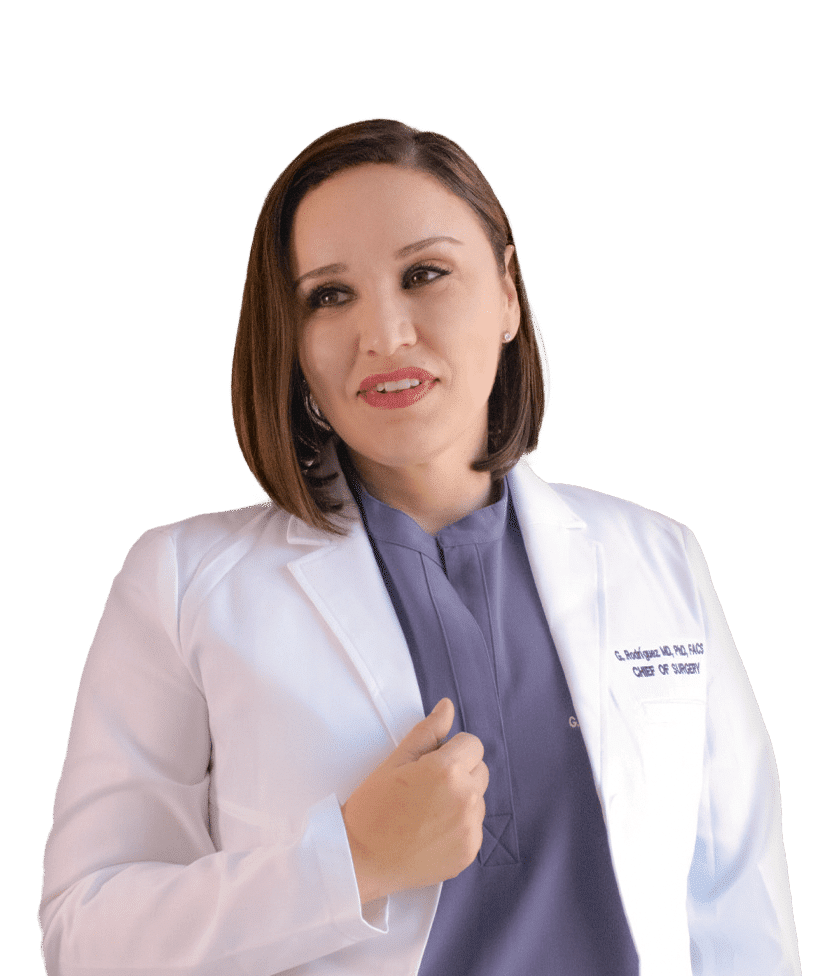
- I hold dual US/Mexico medical licensure, FACS fellowship, and a PhD from the University of Texas Health Science Center at Houston. I have completed over 7,800 bariatric procedures at VIDA Wellness and Beauty Center in Tijuana, 15 minutes from the San Diego border.
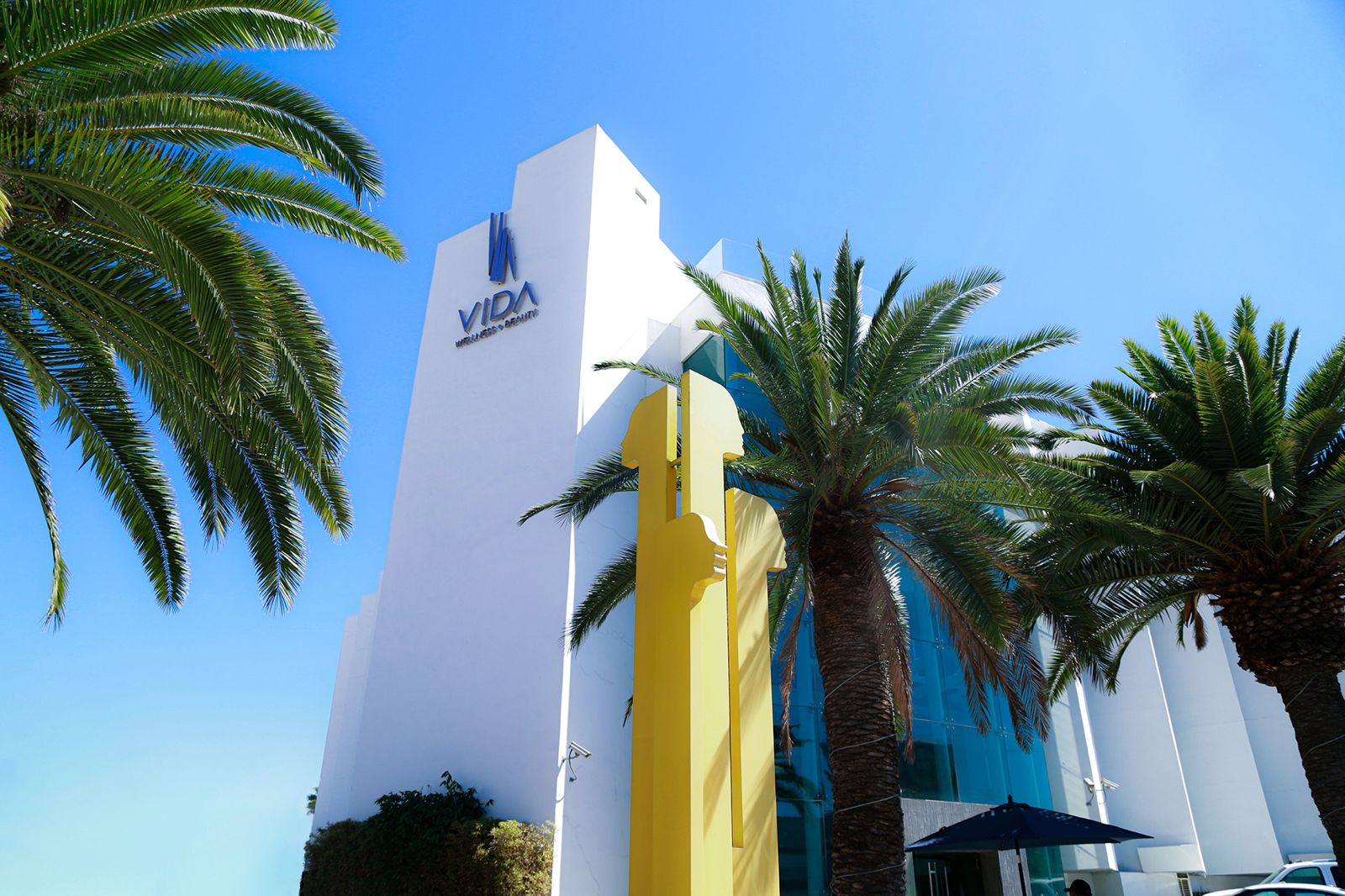
- VIDA is the first surgical center in Mexico to hold AAAASF (Quad-A) accreditation, the US gold standard for ambulatory surgical facilities.
Your sister sent you a news article. Your mother called, worried. Your partner pulled up a Reddit thread about a complication at some clinic you have never heard of. Everyone around you has an opinion, and it goes something like this: “Mexico is dangerous.”
I understand why that fear exists. I also know, as a board-certified bariatric and metabolic surgeon who has performed over 7,800 procedures at VIDA Wellness and Beauty Center in Tijuana, that the fear is based on incomplete information. The medical reality is this: a 2021 meta-analysis published in the British Journal of Surgery (PMID: 34297806), pooling data from 3.6 million bariatric patients, found the perioperative mortality rate for sleeve gastrectomy is 0.05%. That is one death per 2,000 procedures, the same risk as a standard laparoscopic gallbladder removal. This safety profile does not change at the border. It changes at the door of the operating room, depending on who is holding the instruments and what systems surround them.
The real question is not “Is Mexico safe?” The real question is: “How do I verify that a specific surgeon at a specific facility meets the same standards I would expect in the United States?” That is exactly what I will teach you in this article.
What does the safety data actually show for bariatric surgery in Mexico?
The data shows that bariatric surgery at accredited, high-volume centers in Mexico produces outcomes comparable to top US programs. This is not marketing; it is published evidence.
The American Society for Metabolic and Bariatric Surgery (ASMBS) reported in its 2025 Fact Sheet that bariatric surgery carries a risk of death of approximately 0.1%, making it “as safe or safer than gallbladder surgery, appendectomy, and knee replacement.” A separate analysis of the MBSAQIP database (PMID: 36208955) showed that accreditation reduced 30-day complication rates from 6.0% to 2.9% and mortality from 1 in 200 to 1 in 1,750. Accreditation is the dividing line, not national borders.
Mexico-specific evidence supports this further. Guilbert et al. (2018) published a detailed analysis of 500 bariatric procedures at a high-volume Mexican center in the Revista de Gastroenterología de México (PMID: 29933896). The result: zero mortality, a 0.8% reoperation rate, and no ICU admissions. In 2023, a group of 32 Mexican bariatric surgeons with a combined 25,196 bariatric tourism procedures published the first-ever national consensus on safe bariatric tourism practice in Obesity Surgery (PMID: 36729365). No other country has produced an equivalent document.
Here is what I tell my patients: the horror stories your family found online are real, but they come almost exclusively from unaccredited clinics. In 2023, Mexican health authorities shut down over 80 unlicensed facilities. The existence of bad actors does not invalidate the legitimate, accredited medical infrastructure. It proves why credential verification matters.
How do I verify if a bariatric surgeon in Mexico is board certified?
You can verify any Mexican surgeon’s credentials in under five minutes using three free, public databases. No surgeon who is legitimate will object to you checking.
First, verify the Cédula Profesional and Cédula de Especialidad (the Mexican equivalent of a US medical license and board certification) through the Registro Nacional de Profesionistas. Every licensed physician and specialist in Mexico appears in this database. If a surgeon cannot produce a Cédula de Especialidad in General Surgery or Bariatric Surgery, walk away.
Second, check their Consejo Mexicano de Cirugía General certification. This is functionally equivalent to certification by the American Board of Surgery (ABS). Since 2011, Mexican federal law (Article 272 Bis of the General Health Law) has required board certification for all surgical specialists, a legal requirement that is actually stricter than the US system, where ABMS certification is technically voluntary.
Third, check for international designations. A Fellow of the American College of Surgeons (FACS) designation means the surgeon passed the same ethical, competency, and peer-review standards applied to American surgeons. The ACS has over 82,000 members across 144 countries, with rigorous requirements for international Fellows including board certification in their home country, minimum three years of independent practice, and a surgical case log review. I earned my FACS fellowship because I believe American patients deserve a credential they can verify against a standard they already trust.
What credentials should you look for in a Tijuana bariatric surgeon?
Look for five specific credentials. If any are missing, ask why. If the surgeon gets defensive, find another one.
1. Board certification in both General Surgery and Bariatric Surgery. In Mexico, this means certification by the Consejo Mexicano de Cirugía General and the Colegio Mexicano de Cirugía para la Obesidad y Enfermedades Metabólicas (CMCOEM). The CMCOEM certification requires a minimum of three years of bariatric experience with at least 25 cases per year, a practical surgical evaluation, and an oral examination. This is Mexico’s equivalent of ASMBS quality certification.
2. FACS (Fellow of the American College of Surgeons). This is a voluntary international standard that demonstrates a surgeon meets US-level peer-review and ethical standards. Fewer than 6,500 international surgeons hold this designation.
3. International facility accreditation. The facility should hold AAAASF (Quad-A), JCI, or SRC accreditation. These require external inspections of infection control, equipment, staffing, emergency protocols, and outcomes tracking. VIDA Wellness and Beauty Center was the first surgical center in Mexico to achieve AAAASF accreditation, the same standard applied to ambulatory surgical centers in the United States.
4. High annual surgical volume. A 2013 study in the New England Journal of Medicine (PMID: 24106936) evaluated 10,343 bariatric patients and found that surgeons in the lowest skill quartile had complication rates of 14.5% versus 5.2% for the highest quartile, nearly a threefold difference. A 2017 study in the Annals of Surgery (PMID: 28230663) found that complication risk plateaus after approximately 500 lifetime cases. I have performed over 7,800.
5. Published research or SRC Master Surgeon designation. The Surgical Review Corporation’s Master Surgeon in Metabolic and Bariatric Surgery designation is an individual accreditation requiring documented surgical volume, superior safety outcomes, and standardized protocols. It is a higher tier than “Surgeon of Excellence.” My designation is publicly listed on the SRC website.
How does a Mexican credential translate to the US system?
American patients often do not know what Mexican board certifications mean. Here is the direct equivalency table:
| Mexican Credential | US Equivalent | What It Proves |
|---|---|---|
| Cédula de Especialidad (SEP) | State Medical License + Board Certification | Government-issued specialty practice authorization |
| Consejo Mexicano de Cirugía General | American Board of Surgery (ABS) | Passed rigorous written and oral exams; recertification required |
| CMCOEM Bariatric Certification | ASMBS Quality Certification / MBSAQIP | Minimum case volume, practical evaluation, specialized training |
| Fellow of the American College of Surgeons (FACS) | FACS (same credential) | International peer review by the same US organization |
| SRC Master Surgeon of Excellence | SRC Master Surgeon of Excellence (same designation) | Individual accreditation: superior outcomes, high volume |
| AAAASF Facility Accreditation | AAAASF (same accreditation body) | Facility meets identical US ambulatory surgery safety standards |
The critical point: my FACS fellowship and SRC Master Surgeon designation are not Mexican credentials. They are American and international credentials, issued by the same organizations that accredit surgeons and facilities inside the United States. When your family says “but it’s Mexico,” show them this table.
I also hold a PhD in Molecular Biology and Genetics from the University of Texas Health Science Center at Houston. I completed my internship at the Texas Medical Center, rotating through Saint Luke’s Episcopal, Methodist, and Memorial Hermann hospitals. I am licensed to practice medicine in both the United States and Mexico. I did not receive my training in a vacuum. I trained alongside American surgeons, in American hospitals, and I continue to publish in American and international medical journals including Circulation, Cardiovascular Research, and Surgical Technology International.
Why do patients choose Tijuana specifically for bariatric surgery?
Tijuana is 15 minutes south of the San Diego border, making it the most accessible international surgical destination for US and Canadian patients. More than 3.5 million foreign visitors sought medical or dental care in Baja California in 2024, generating over $2 billion in economic activity according to FOX 5 San Diego/Border Report.
Cost is a factor, but it should never be the only factor. My Enhanced Gastric Sleeve is $4,500 USD all-inclusive: surgeon fee, anesthesia, hospital stay, pre-operative labs, post-operative care, accommodations, and ground transportation from San Diego. The same procedure in the United States typically costs $15,000 to $25,000 before insurance, and many insurers require a six-month supervised weight management program before approval. According to ASMBS data, approximately 25% of patients are denied insurance coverage three times before being approved.
But cost savings mean nothing if safety is compromised. The reason patients choose my practice specifically is the combination of internationally verified credentials and transparent outcomes. In over 7,800 procedures, I developed the Enhanced Gastric Sleeve with the Double Buttress Technique to reinforce staple lines, reduce leak risk, and eliminate the need for surgical drains. The published leak rate for sleeve gastrectomy in the MBSAQIP database (692,554 patients, Osti et al. 2024, PMID: 39218833) is 0.17%. Staple line reinforcement, the core principle behind my Double Buttress Technique, was shown in that same dataset to further decrease leak rates.
Patients fly into San Diego, are picked up by our team, and are in my operating room within hours. Recovery takes 1 to 3 days in comfortable accommodations with nursing support. For international patients who cannot visit in person before surgery, I offer virtual consultations so we can evaluate candidacy, review medical history, and plan the procedure before you ever cross the border.
What are the real risks, and how does an accredited facility manage them?
Let me be direct: bariatric surgery carries real risks. Any surgeon who tells you otherwise is not being honest. The most common complications for sleeve gastrectomy include bleeding (approximately 1 to 2%), staple line leak (0.17% per the MBSAQIP database), stricture (narrowing), and blood clots.
The difference between a safe facility and an unsafe one is not whether complications can occur. It is whether the facility has systems in place to prevent, detect, and manage them. At VIDA Wellness and Beauty Center, those systems include AAAASF-accredited operating rooms with the same equipment standards required in US ambulatory surgery centers, board-certified anesthesiologists (not nurse anesthetists), pre-operative cardiac and pulmonary screening for high-risk patients, standardized VTE (blood clot) prophylaxis protocols, and 24/7 nursing staff during recovery.
I also want to address the complication data that circulates about bariatric tourism. A 2025 study from UC San Diego (PMID: 40473949) examined 91 patients who presented at their hospital with complications after bariatric surgery abroad. That study is real, but it captures only patients who had problems, not the thousands who recovered without incident. The authors explicitly stated there is “a lack of knowledge regarding the true number of patients who engage in this practice.” Selection bias of this kind is common in medical literature and does not reflect overall complication rates at accredited facilities.
The CDC Yellow Book recommends that patients considering medical tourism verify provider qualifications, use internationally accredited facilities, arrange follow-up care before travel, and obtain international health insurance covering medical evacuation. I agree with every one of those recommendations. My team helps patients establish a follow-up plan with their primary care physician before they arrive in Tijuana, and we remain available by phone and video after discharge.
What questions should you ask before choosing any surgeon?
Ask these seven questions. Any qualified surgeon will answer them without hesitation.
- Are you certified by the Consejo Mexicano de Cirugía General? Can I verify your Cédula de Especialidad online?
- Do you hold FACS or any international surgical fellowship?
- Is your facility accredited by AAAASF, JCI, or SRC? Can I see the certificate?
- How many bariatric procedures have you personally performed? How many per year?
- What is your published complication rate? What is your leak rate?
- What happens if I develop a complication after I return home? Do you have a complication management protocol and telehealth follow-up?
- Are your prices all-inclusive? What exactly is covered?
If a surgeon hesitates on any of these, that is your answer. I publish my credentials, my results, and my pricing openly because transparency is the minimum standard a patient should expect.
How does bariatric surgery in Tijuana compare to the US on cost and safety?
| Factor | United States | Tijuana (Accredited Facility) |
|---|---|---|
| Gastric sleeve cost | $15,000 to $25,000 | $4,500 all-inclusive |
| Insurance approval wait | 3 to 12 months | None (self-pay) |
| Surgeon board certification | ABS (voluntary) | Consejo Mexicano (legally required since 2011) |
| Facility accreditation | MBSAQIP, AAAASF | AAAASF (same body), SRC, JCI available |
| 30-day sleeve mortality | ~0.05% (MBSAQIP data) | ~0.05% at accredited centers (comparable published data) |
| Follow-up | In-person + telehealth | Telehealth + coordination with local physician |
| Travel required | Varies | San Diego to Tijuana: 15 minutes |
| Pricing transparency | Varies; often unbundled | All-inclusive; published openly |
The data does not support the claim that bariatric surgery is inherently less safe in Mexico. It supports the claim that bariatric surgery is less safe at unaccredited facilities with low-volume surgeons, regardless of country. A 2012 pooled analysis in Obesity Surgery (PMID: 22527591) found that mortality at high-volume institutions was 0.24% compared to 2.18% at low-volume institutions, a ninefold difference.
Frequently Asked Questions
Yes, when the procedure is performed by a board-certified, high-volume surgeon at an accredited facility. Sleeve gastrectomy mortality at accredited centers is approximately 0.05%, equivalent to gallbladder removal (British Journal of Surgery, 2021, PMID: 34297806).
Look for AAAASF, JCI, or SRC accreditation. VIDA Wellness and Beauty Center was the first surgical facility in Mexico to achieve AAAASF (Quad-A) accreditation, the same standard applied to US ambulatory surgery centers.
My Enhanced Gastric Sleeve is $4,500 USD all-inclusive: surgeon, anesthesia, hospital stay, labs, aftercare, accommodations, and ground transport from San Diego. No hidden fees.
Fellow of the American College of Surgeons (FACS) is an international designation confirming a surgeon meets the ethical, competency, and peer-review standards applied to American surgeons. It requires board certification, independent practice history, case log review, and peer references.
The Master Surgeon in Metabolic and Bariatric Surgery designation is issued by the Surgical Review Corporation (SRC), the same US-based organization that accredits bariatric Centers of Excellence. It requires documented high surgical volume, superior safety outcomes, and standardized protocols. It is a higher distinction than “Surgeon of Excellence.”
Check the Cédula Profesional database at cedulaprofesional.sep.gob.mx for medical license and specialty certification. Verify FACS status through facs.org. Check SRC designations at surgicalreview.org. Ask for proof of facility accreditation. Any legitimate surgeon will welcome this process.
Before surgery, my team coordinates a follow-up plan with your local physician. I remain available by phone and video after discharge. I also recommend international health insurance that covers medical evacuation, consistent with CDC guidelines for medical travelers.
Yes. I hold a PhD from the University of Texas Health Science Center at Houston and completed my internship at the Texas Medical Center, one of the largest medical complexes in the world. I am licensed to practice in both the United States and Mexico and have published over 20 peer-reviewed articles in international medical journals.
The Decision Is Yours, But the Data Should Be Part of It
I wrote this article because I hear the same conversation every week. A patient calls my office ready to move forward, and then their mother, their sister, or their partner tells them they are making a dangerous decision. That fear comes from a real place. There are unaccredited clinics in Mexico, just as there are underqualified practitioners in any country.
But the fear is not proportional to the evidence. The data shows that accredited bariatric surgery is one of the safest elective procedures in modern medicine, with outcomes that do not differ by country when surgeon volume, training, and facility standards are controlled for.
I am Dr. Gabriela Rodriguez Ruiz, MD, PhD, FACS, a bariatric and metabolic surgeon with 7,800+ procedures, dual US/Mexico licensure, 20+ peer-reviewed publications, and a facility that was the first in Mexico to earn AAAASF accreditation. I tell you this not to sell you on surgery. I tell you so that when your family Googles “is Mexico safe,” they find the credentials, the data, and the transparency they need to make an informed decision.
If you want to know whether you qualify, the next step is a proper evaluation. My team and I can review your case and tell you honestly whether surgery makes sense for you. Start your free virtual evaluation here.