
A 150-year-old textile dye is trending as an anti-aging miracle. The science is thin. The risks are real. Let’s talk about why this one concerns me more than most.
TL;DR: Methylene blue is a legitimate medication with real medical uses. It’s FDA-approved for a rare blood disorder called methemoglobinemia. But the wellness trend of taking it as a supplement for brain power, longevity, and mood? That’s gotten way ahead of the science. And unlike most trendy supplements, this one can actually kill you if you’re on the wrong medications.
- Originally developed as a textile dye in the 1870s
- Has legitimate medical applications, including malaria treatment and as an antidote for certain poisonings
- Wellness claims about cognition and anti-aging are based mostly on cell and animal studies
- Can cause serotonin syndrome when combined with common antidepressants
- Dangerous for people with G6PD deficiency (a genetic condition affecting 400 million people worldwide)
- Supplement versions are unregulated and may contain contaminants
This Is Different From the Other Trends I’ve Written About
I’ve covered a lot of viral health trends in this blog series. Oatzempic. Berberine. Apple cider vinegar. Most of them are relatively harmless, just ineffective. You waste some money, you don’t lose the weight you hoped for, you move on.
Methylene blue is different.
This is a potent pharmaceutical compound that can cause serious adverse events, including death. The FDA has issued explicit warnings about its interactions with antidepressants. European regulators classify it as prescription-only. And yet people are buying it online and dripping it into their morning water because wellness influencers told them it would make them smarter.
I need you to understand: I’m not being dramatic here. Serotonin syndrome is a medical emergency. It can cause seizures, organ failure, and death. And millions of Americans take SSRIs like Zoloft, Lexapro, Prozac, and Celexa. For those people, taking methylene blue supplements could be genuinely dangerous.
So let me walk you through what this compound actually is, what the science actually shows, and why I’m more concerned about this trend than most.
What Is Methylene Blue?
Methylene blue is a synthetic compound developed in 1876 by German chemist Heinrich Caro. It was originally created as a textile dye. That vivid blue color you see in certain fabrics? That’s methylene blue at work.
But it didn’t stay in the textile industry for long.
In the late 1800s, Paul Ehrlich discovered that methylene blue could be used to treat malaria. This made it one of the first synthetic antimalarial drugs in history. It works by interfering with how the malaria parasite processes hemoglobin.
Today, methylene blue has several legitimate medical uses:
Methemoglobinemia treatment. This is its FDA-approved indication. Methemoglobinemia is a rare blood disorder where hemoglobin can’t carry oxygen properly. Methylene blue helps convert the dysfunctional hemoglobin back to its working form. This can be lifesaving.
Antidote for certain poisonings. Methylene blue is used to treat poisoning from nitrites, anilines, and certain other compounds that cause methemoglobinemia.
Surgical dye. Doctors use it to map lymph nodes during breast cancer surgery and to identify parathyroid glands during thyroid procedures.
Vasoplegic syndrome. After cardiac surgery, some patients develop dangerously low blood pressure that doesn’t respond to normal medications. Methylene blue can help by affecting nitric oxide pathways.
Ifosfamide-induced encephalopathy. This is a rare complication of a chemotherapy drug. Methylene blue is an established treatment.
So yes, methylene blue is a real medication with real applications. It’s been used in medicine for over a century. The question is whether that translates to benefits when healthy people take it as a supplement.
The Wellness Claims
Here’s what the biohacking and wellness community claims methylene blue can do:
Boost mitochondrial function. The central claim is that methylene blue acts as an “alternative electron carrier” in mitochondria, helping cells produce energy more efficiently. When normal mitochondrial pathways are damaged or stressed, methylene blue supposedly provides a backup route.
Enhance cognition. Sharper thinking, better memory, improved focus. The nootropic community loves this stuff.
Slow aging. By improving cellular energy production and reducing oxidative stress, methylene blue is supposed to help cells stay younger longer.
Improve mood. Some claim it has antidepressant properties.
Fight fatigue. More cellular energy equals more physical energy, the theory goes.
Cure jetlag. I’ve seen this claim too. Supposedly it helps reset circadian rhythms.
The pitch is compelling. Who wouldn’t want better energy, sharper thinking, and slower aging from a few blue drops in their water?
But what does the evidence actually show?
The Science: Where It Stands
Let me be clear about the state of the research.
Cell studies and animal models show interesting effects. Methylene blue does appear to improve mitochondrial function in laboratory settings. Studies in worms, mice, and rats have shown effects on brain energy use, inflammation, and neurological protection.
Human evidence is extremely limited. There have been a few small trials looking at methylene blue for depression and cognition. Some showed modest benefits in specific populations. But we’re talking about small studies, short durations, and often in people with specific conditions rather than healthy individuals.
No robust clinical trials support the wellness claims. There are no large, well-designed randomized controlled trials showing that healthy people who take methylene blue supplements live longer, think better, or age more slowly.
The Alzheimer’s research has largely disappointed. For years, researchers were excited about a modified form of methylene blue for Alzheimer’s disease. It seemed promising in early studies. But that enthusiasm has waned as larger trials failed to show the hoped-for benefits.
Here’s what Dr. Lorne Hofseth, a researcher who has studied methylene blue, told NPR: the findings “remain preliminary” and “the risks outweigh the benefits” for people taking it as a supplement.
A toxicologist at MedStar Health put it more bluntly: “At this time, there are no FDA-approved methylene blue supplements that are proven to promote longevity or prevent aging-related diseases in humans. Due to concern for adverse events, drug interactions, and even death, methylene blue should only be administered under careful medical supervision in a hospital setting.”
The Risks Are Real
This is where I need you to pay close attention.
Serotonin syndrome. Methylene blue is a monoamine oxidase inhibitor (MAOI). This means it affects how your body processes serotonin. If you’re taking medications that also affect serotonin, the combination can cause serotonin syndrome.
Serotonin syndrome symptoms include:
- High fever
- Rapid heart rate
- Elevated blood pressure
- Agitation and confusion
- Muscle rigidity and tremors
- Diarrhea
- Seizures
- In severe cases, organ failure and death
The FDA has issued a specific safety communication warning about this interaction. If you take SSRIs (Zoloft, Lexapro, Prozac, Celexa, Paxil), SNRIs (Effexor, Cymbalta), or other serotonergic medications, methylene blue is dangerous for you.
Roughly 13% of American adults take antidepressants. That’s tens of millions of people for whom this supplement could cause a medical emergency.
G6PD deficiency. This genetic condition affects an estimated 400 million people worldwide. It’s particularly common in people of African, Mediterranean, Middle Eastern, and Asian descent. In people with G6PD deficiency, methylene blue can trigger hemolytic anemia, where red blood cells are destroyed. Symptoms include pallor, jaundice, dark urine, weakness, and in severe cases, kidney failure.
Many people don’t know they have G6PD deficiency until they’re exposed to a trigger.
Other adverse effects. Even in people without these risk factors, methylene blue can cause:
- Nausea, vomiting, and diarrhea
- Blue discoloration of urine, skin, and mucous membranes
- Blood pressure fluctuations
- Increased sensitivity to light
- Headache
- Dizziness
Pregnancy and breastfeeding. The safety of methylene blue during pregnancy and breastfeeding has not been established. Given the known risks, avoiding it seems wise.
Drug interactions beyond antidepressants. Methylene blue can interact with many medications and even certain foods (like aged cheeses and cured meats, which contain tyramine). The interaction profile is complex.
The Quality Control Problem
Here’s something that should concern anyone considering methylene blue supplements.
Pharmaceutical-grade vs. everything else. Medical-grade methylene blue undergoes rigorous purification to remove contaminants like heavy metals. The methylene blue used in hospitals is not the same as what you can buy online.
Supplement versions are unregulated. The FDA doesn’t approve supplements for safety or efficacy before they go to market. What’s on the label may not be what’s in the bottle.
Some products are industrial or aquarium grade. Methylene blue is commonly sold for cleaning fish tanks. Some people have used these products as supplements. Industrial-grade methylene blue may contain arsenic, lead, aluminum, and other contaminants. Even small amounts of these substances are harmful when consumed.
Purity varies wildly. Testing of over-the-counter methylene blue products has shown significant variability in concentration and purity. You may not know how much you’re actually taking.
As one pharmacologist noted: “Because supplements are not regulated, there is no guarantee that they will be free from contaminants.”
The RFK Jr. Connection
You may have seen the viral video.
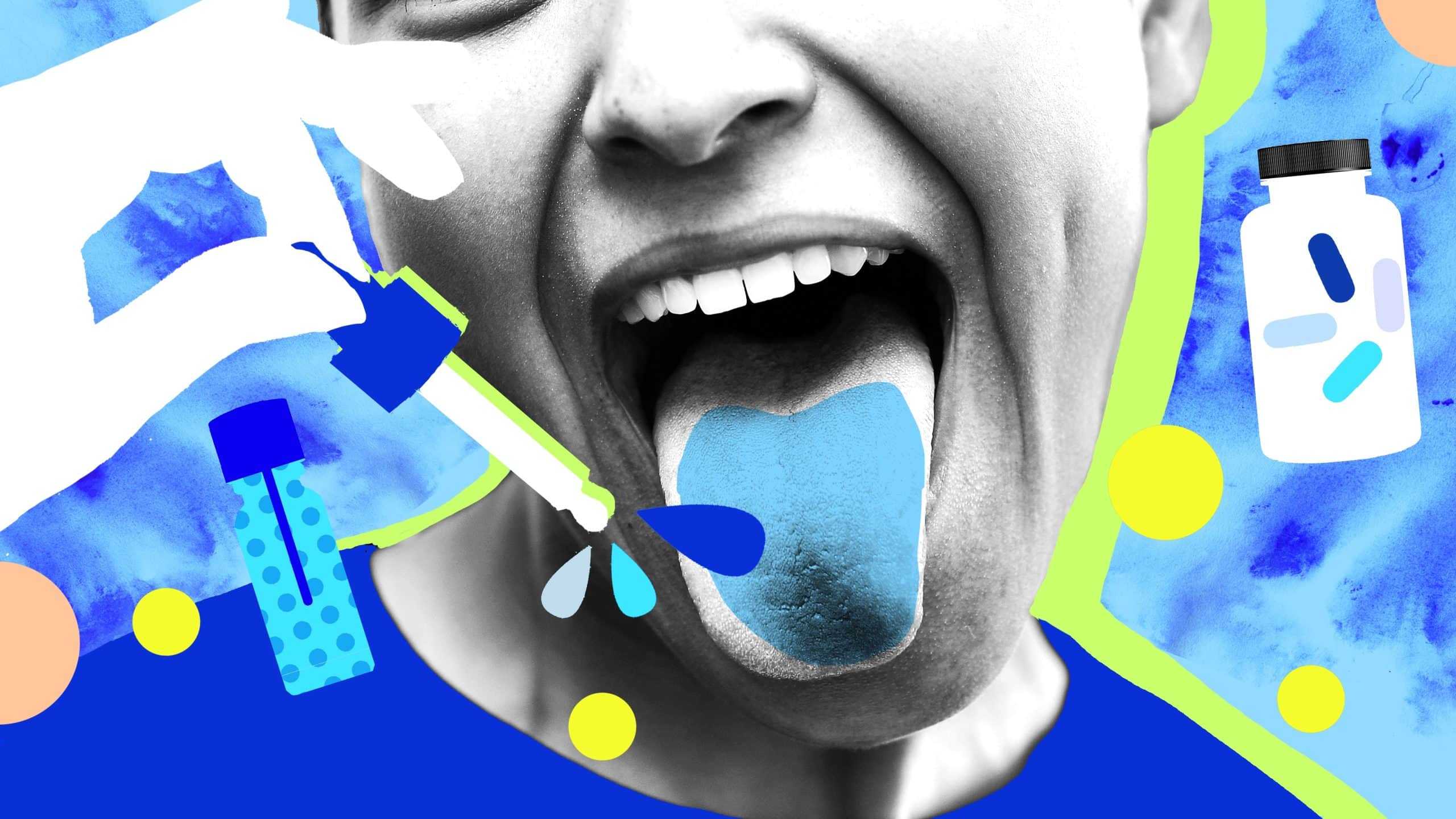
Earlier this year, a video circulated showing Robert F. Kennedy Jr., now the nation’s top health official, using an eyedropper to mix a cobalt blue liquid into water. He never confirmed it was methylene blue, but the color and application method matched. Kennedy is known for taking various supplements and has a history of embracing unproven health claims.
The video gave methylene blue a massive visibility boost in wellness circles. When a prominent figure appears to use something, it confers a kind of social proof that no scientific study can match.
But prominence doesn’t equal evidence. And the fact that someone important might take something doesn’t make it safe or effective.
Why People Think It Works
If the evidence is so thin, why do methylene blue enthusiasts seem so convinced?
Placebo effect. This is powerful and real. When you believe something will make you sharper or more energetic, you often feel sharper and more energetic. Your brain is excellent at confirming your expectations.
The novelty factor. Taking drops that turn your tongue blue feels like doing something special. It’s visible, dramatic, different. That sensation of taking action can itself improve mood and perceived energy.
Confirmation bias. Once you’ve invested money and effort in a supplement, you’re primed to notice evidence that it’s working and dismiss evidence that it isn’t.
Genuine pharmacological effects that aren’t what they seem. Methylene blue does have effects on neurotransmitter systems. Some people may experience mood or cognitive changes. But these acute effects don’t necessarily translate to the long-term benefits being claimed.
Selection bias in testimonials. The people posting enthusiastically about methylene blue online are self-selected. People who tried it, felt nothing, and stopped aren’t making TikTok videos about their non-experience.
What I Tell My Patients
When patients ask me about methylene blue, here’s what I say:
The risk-benefit calculation doesn’t favor it. Even if methylene blue has modest cognitive or energetic benefits (which hasn’t been proven in healthy humans), those potential benefits don’t outweigh the known risks, especially the risk of serotonin syndrome and the uncertainty about supplement quality.
If you’re on antidepressants, absolutely not. This is non-negotiable. The interaction is well-documented and potentially fatal.
If you have G6PD deficiency or don’t know your status, absolutely not. The risk of hemolytic anemia is real.
If you’re pregnant or breastfeeding, absolutely not. We don’t have safety data.
If you’re determined to try it anyway, at minimum get pharmaceutical-grade product and medical supervision. Don’t buy aquarium cleaner. Don’t buy random supplements from the internet. And please, please tell your doctor what you’re doing so they can monitor you and check for interactions.
Consider what you’re actually trying to achieve. If you want more energy, better cognition, and slower aging, those goals are achievable through proven methods: quality sleep, regular exercise, a nutrient-rich diet, stress management, and social connection. None of those carry the risk of serotonin syndrome.
The Bigger Picture
Methylene blue is a case study in how wellness culture can go wrong.
Here’s a compound with legitimate medical uses, real pharmacological activity, and genuine scientific interest. Researchers are studying it. Some of that research is promising. It’s not crazy to think that methylene blue might eventually have validated applications beyond its current uses.
But “might eventually have validated applications” is very different from “you should buy it online and take it as a supplement right now.”
The wellness industry has a pattern of taking preliminary scientific findings and extrapolating them into consumer products long before the evidence supports doing so. Cell studies become animal studies become “this will change your life” marketing. The gap between laboratory observations and human health benefits gets papered over with enthusiasm and testimonials.
And in most cases, the worst outcome is wasted money and continued health problems that the supplement was supposed to fix.
But methylene blue isn’t most supplements. This is a potent drug with serious interactions. The consequences of getting it wrong aren’t just disappointment. They can be hospitalization or death.
The Bottom Line
Methylene blue is a fascinating compound with a long medical history. The basic science around mitochondrial function is real. There may eventually be validated uses for healthy individuals.
But we’re not there yet.
The wellness claims have gotten far ahead of the evidence. The risks are substantial and well-documented. The supplement market is unregulated and quality is uncertain. And tens of millions of Americans are on medications that make methylene blue genuinely dangerous for them.
This isn’t one of those trends where I say “it probably won’t hurt you, but it probably won’t help either.” This is a trend where I say: the potential harms are serious enough that I can’t recommend it to healthy people seeking wellness benefits.
If you want to optimize your mitochondrial function, there are proven ways to do that. Exercise. Sleep. A diet rich in nutrients that support cellular energy production. Not drinking a fabric dye because wellness influencers showed you their blue tongues on TikTok.
Your mitochondria will thank you. And so will your serotonin receptors.
Key Takeaways
- Methylene blue is a real medication with FDA-approved uses, but not as a wellness supplement
- The cognitive and anti-aging claims are based mostly on cell and animal studies, not robust human trials
- It can cause serotonin syndrome when combined with common antidepressants, potentially fatal
- People with G6PD deficiency (400 million worldwide) risk hemolytic anemia
- Supplement versions are unregulated and may contain dangerous contaminants
- The risks currently outweigh any potential benefits for healthy people
Who Should Absolutely Avoid Methylene Blue Supplements
- Anyone taking SSRIs, SNRIs, MAOIs, or other serotonergic medications
- People with G6PD deficiency (or unknown status)
- Pregnant or breastfeeding women
- People with kidney or liver disease
- Anyone unable to access pharmaceutical-grade products and medical supervision
If you’re in any of these categories and you’ve been taking methylene blue, please talk to your doctor.