

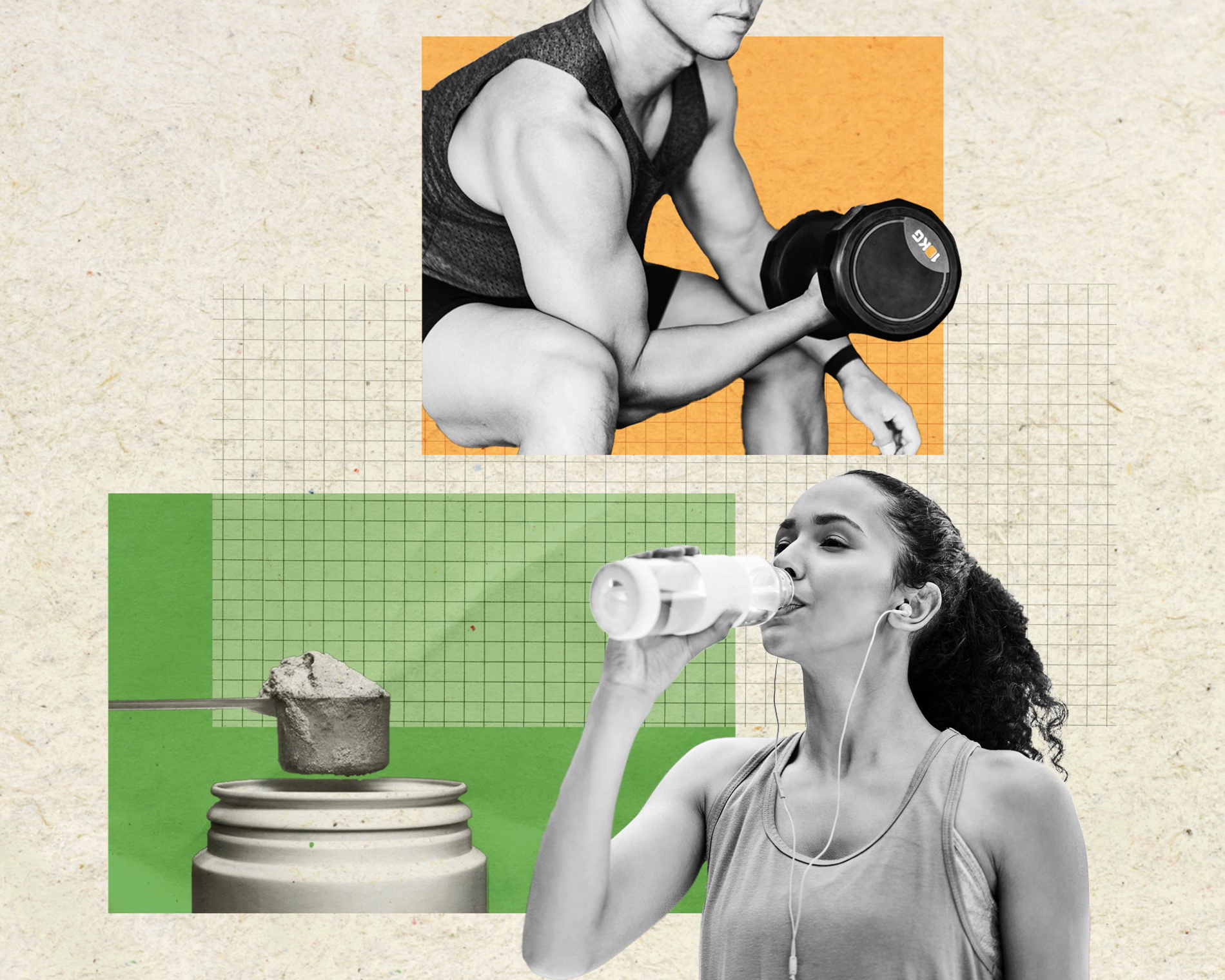
Another day, another way to get protein into your body. Let’s talk about whether drinking your protein makes sense, or if it’s just expensive water.
TL;DR: Protein water is exactly what it sounds like: water infused with protein, usually whey or collagen. It’s lower in calories than shakes and more convenient than cooking chicken. But most people already get enough protein from food, and whole food sources are nutritionally superior. Protein water isn’t harmful, but it’s also not necessary for most people.
- Protein water typically contains 15 to 20 grams of protein per bottle
- The market is exploding, expected to reach over $2 billion by 2034
- It’s particularly marketed to fitness enthusiasts and people on GLP-1 medications
- Whole food protein sources provide more nutritional benefits
- For some specific situations, it can be a useful tool
The Protein-ification of Everything
First it was protein powder. Then protein bars. Then protein ice cream, protein chips, protein bread, protein coffee.
Now we have protein water.
If you’ve walked through a grocery store lately, you’ve probably noticed bottles of clear liquid promising 15 to 20 grams of protein alongside your regular bottled water. Brands like Protein2o, Muscle Nation, and newer entries are fighting for shelf space. Even Starbucks is testing high-protein cold foam. Danone launched a protein beverage specifically targeting people on weight loss medications like Wegovy and Zepbound.
The protein water market was worth nearly $1 billion in 2024. It’s projected to exceed $2 billion by 2034. That’s a lot of expensive water.
So what’s actually going on here? Is protein water a genuine innovation, or is it just another way to separate health-conscious consumers from their money?
As someone who works with patients on weight management every day, let me give you my honest take.
What Protein Water Actually Is
Let’s start with the basics.
Protein water is purified water infused with protein, typically whey protein isolate, collagen, or plant-based proteins like pea protein. Unlike thick, creamy protein shakes, protein water is clear and has a lighter consistency, more like flavored water than a milkshake.
A typical bottle contains:
- 15 to 20 grams of protein
- 60 to 90 calories
- Little to no fat
- Low or no sugar (though some brands add sweeteners)
- Often includes electrolytes
The pitch is simple: hydration plus protein in one convenient package. No blender required. No chalky texture. Just grab and go.
For people who hate the thick consistency of traditional protein shakes, or who want protein without the extra calories that come with shakes, protein water seems like an elegant solution.
Why Protein Matters (Especially for Weight Loss)
Before I critique protein water, let me be clear about something: protein is genuinely important.
Protein preserves muscle mass. When you’re losing weight, you want to lose fat, not muscle. Adequate protein intake helps preserve lean tissue during caloric restriction.
Protein increases satiety. Of the three macronutrients, protein keeps you fullest longest. High-protein meals and snacks reduce the likelihood of overeating later.
Protein has a higher thermic effect. Your body burns more calories digesting protein than it does digesting carbs or fat. This gives protein a slight metabolic advantage.
Protein becomes more important with age. After 30, we start losing muscle mass gradually (a process called sarcopenia). Higher protein intake helps slow this decline.
For my bariatric surgery patients, protein is absolutely critical. After gastric sleeve or bypass, the stomach’s capacity is dramatically reduced. Getting enough protein in a limited volume of food becomes a real challenge. Every gram counts.
So I’m not anti-protein. I’m very pro-protein. The question is whether protein water is a good way to get it.
The Case for Protein Water
Let me steelman the product. There are legitimate scenarios where protein water makes sense.
Post-workout hydration. After exercise, you need both fluids and protein. Protein water delivers both simultaneously. For someone rushing from the gym to work, this convenience has value.
People who dislike thick shakes. Some people genuinely can’t tolerate the texture of traditional protein shakes. They feel too heavy, too filling, or too much like a meal. Protein water is lighter and more refreshing.
Hot weather protein. In summer, a cold protein shake might not sound appealing. A chilled protein water is more refreshing when temperatures climb.
Patients on GLP-1 medications. This is actually a growing use case. Drugs like Ozempic, Wegovy, and Zepbound can cause significant appetite suppression, sometimes making it hard to eat enough. They can also accelerate muscle loss if protein intake drops too low. Protein water offers an easy way to maintain protein intake when eating feels difficult.
Bariatric surgery patients. For my patients who’ve had gastric sleeve or bypass, protein water can be useful in the early post-operative period when only liquids are allowed, or when solid food feels like too much.
Elderly individuals with low appetite. Older adults often experience reduced appetite while having increased protein needs. A light, easy-to-consume protein water might help bridge the gap.
In these specific situations, protein water serves a purpose. It’s a tool with legitimate applications.
The Case Against Protein Water
Now let me give you the other side.
Most people already get enough protein. The average American diet provides adequate protein for most people. The National Academy of Medicine recommends about 7 grams of protein per 20 pounds of body weight. For a 160-pound person, that’s 56 grams daily. Most people hit this without trying.
Whole food protein is nutritionally superior. When you eat chicken, fish, eggs, or legumes, you’re not just getting protein. You’re getting vitamins, minerals, healthy fats, and other compounds that support health. Protein water is isolated protein in water. That’s it.
The protein source matters more than the amount. Research shows that the health benefits of protein are linked more to the source than the quantity. Plant proteins, fish, and poultry are associated with lower disease risk. Processed protein supplements don’t carry the same benefits.
It’s expensive. A bottle of protein water costs $3 to $5. You could buy a dozen eggs for similar money and get far more protein plus additional nutrients.
It doesn’t provide complete post-workout nutrition. Despite the marketing, protein water doesn’t contain the carbohydrates needed for optimal exercise recovery. After a hard workout, your muscles need both protein and carbs to replenish glycogen and repair tissue.
Some contain problematic ingredients. Many protein waters include artificial sweeteners like sucralose or stevia. While generally recognized as safe, these sweeteners have been linked to increased sugar cravings in some people. Others contain added sugars that undermine the health positioning.
It’s not regulated like medication. Protein water is classified as a dietary supplement. The FDA doesn’t verify that what’s on the label is actually in the bottle. Quality varies by brand.
What the Experts Say
I’m not alone in my measured skepticism.
WebMD’s assessment: “You’re better off getting your protein from healthy food sources than from protein water.”
Men’s Health consulted experts who concluded: “Protein water does not provide the recommended amount of protein and carbohydrates needed for exercise recovery, or even to sustain a person for a long period.”
The consistent message from nutrition professionals: protein water isn’t harmful, but it’s also not necessary for most people, and it’s not superior to whole food protein sources.
The Marketing Machine
Let’s talk about why protein water is suddenly everywhere.
The global anti-aging and wellness market is worth tens of billions of dollars. The fitness industry is massive. And the protein trend specifically has been growing for years.
Companies have realized that “protein” is a powerful marketing word. Slapping protein on a product signals health, fitness, and muscle. It justifies premium pricing. It attracts health-conscious consumers who might otherwise just drink regular water.
The rise of GLP-1 medications has created an entirely new market segment: people losing weight rapidly who need to maintain muscle mass. Danone’s Oikos Fusion was explicitly launched to target this demographic. Starbucks is testing protein foam for the same reason.
This isn’t necessarily cynical. There’s a real need being addressed. But it’s worth understanding that the explosion of protein water products is driven as much by marketing opportunity as by nutritional necessity.
My Actual Recommendation
Here’s what I tell my patients:
If you’re getting adequate protein from food, you don’t need protein water. A balanced diet with lean meats, fish, eggs, dairy, legumes, and nuts will meet your protein needs more completely and more affordably.
If you’re struggling to meet protein goals, address that first. Before adding supplements, look at your actual diet. Can you add eggs to breakfast? Greek yogurt as a snack? Chicken to your lunch salad? Whole food solutions should come first.
If you have specific circumstances that make protein water useful, use it strategically. Post-bariatric surgery, on GLP-1 medications, elderly with low appetite, or genuinely unable to tolerate other protein sources? Protein water can be a legitimate tool. Use it for its purpose, not as a general beverage.
If you do choose protein water, read the label. Look for products with minimal added sugars and artificial ingredients. Check the protein source. Understand what you’re actually consuming.
Don’t let it replace water. Regular water should still be your primary hydration source. Protein water is a supplement, not a replacement for adequate fluid intake.
Consider the cost-benefit. Is spending $4 on a bottle of protein water the best use of your nutrition budget? For most people, that money would be better spent on quality whole foods.
The Bottom Line
Protein water is not a scam. It’s a real product that delivers real protein in a convenient format. For specific populations and situations, it has legitimate utility.
But it’s also not necessary for most people. It’s not superior to whole food protein sources. And it’s definitely not worth the premium price for anyone who can meet their protein needs through regular eating.
The protein-ification of everything is partly a response to genuine nutritional awareness and partly a marketing phenomenon. Protein water sits at that intersection.
If you want to try it, go ahead. It won’t hurt you. But don’t mistake it for something essential, and don’t let clever marketing convince you that drinking your protein is somehow better than eating it.
Your grandmother had it right: eat real food. The basics haven’t changed just because we can now put protein in water.
Key Takeaways
- Protein water delivers 15 to 20 grams of protein per bottle in a convenient format
- Most people already get enough protein from their regular diet
- Whole food protein sources provide more nutritional benefits than isolated protein supplements
- Protein water has legitimate uses for specific populations: post-bariatric patients, people on GLP-1 medications, elderly with low appetite
- It’s more expensive than whole food protein sources and isn’t FDA-regulated
- If you use it, read labels carefully and use it strategically, not as a regular beverage
For My Bariatric Patients
If you’ve had gastric sleeve or bypass surgery with me, protein is absolutely critical for your recovery and long-term success. Protein water can be a useful tool, especially in the early liquid phase of your post-operative diet.
But as you progress to solid foods, prioritize whole food protein sources. They’ll serve you better nutritionally and help you build sustainable eating habits for the long term.
If you’re struggling to meet your protein goals, let’s talk about it at your follow-up appointment. There are many strategies we can explore together.