

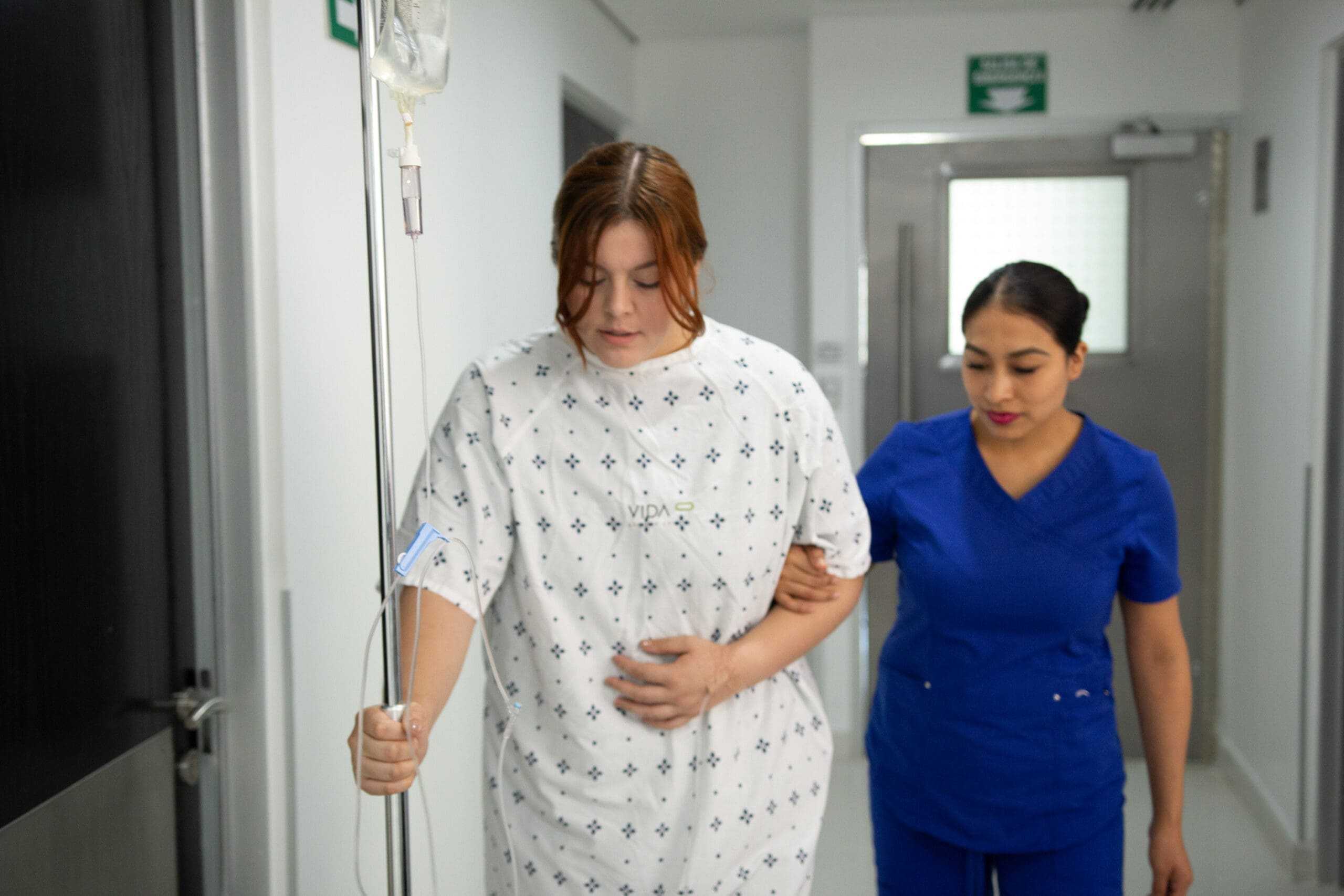
Pain after surgery is expected. But how much pain, and for how long? That’s where protocol makes all the difference.
TL;DR: My pain management protocol is designed to minimize discomfort before, during, and after gastric sleeve surgery. Most of my patients describe their recovery as far less painful than they anticipated. This isn’t luck. It’s planning.
- Pain management starts before you even enter the operating room
- I use a multimodal approach that combines different methods for better results
- Staying ahead of pain is easier than chasing it after it starts
- A comfortable recovery helps you heal faster and get back to your life
The Conversation That Happens in Every Consultation
At some point during our consultation, you’re going to ask me about pain. Maybe directly, maybe hesitantly. But it always comes up.
“How bad is the pain after surgery?”
“Will I be able to handle it?”
“I have a low pain tolerance. Is that going to be a problem?”
I get it. You’re not just worried about the surgery itself. You’re worried about waking up, about those first few days, about whether you’ll be miserable while you recover.
So let me tell you what I tell every patient: the goal isn’t to manage your pain. The goal is to prevent it from becoming a problem in the first place.
Why “Painless” Isn’t an Exaggeration
I’ve had patients tell me they were shocked by how little pain they felt after surgery. One woman told me she kept waiting for the bad part to start, and it never did. Another said the discomfort was less than what she’d felt after her C-section years ago.
These aren’t outliers. This is what happens when pain management is built into every stage of the process.
Now, let me be clear. Surgery involves incisions. Your body will have a healing response. I’m not promising you’ll feel nothing at all. But there’s a big difference between mild discomfort and the kind of pain that makes you regret your decision.
My job is to keep you firmly in the first category.
How the Protocol Actually Works
Pain management isn’t one thing. It’s a combination of approaches that work together. Here’s how I structure it:
Before surgery: preemptive medication. I start managing your pain before surgery begins. This means administering certain medications ahead of time so they’re already working in your system when you wake up. Staying ahead of pain is always easier than trying to catch up.
During surgery: local anesthesia at incision sites. While you’re under general anesthesia, I inject local anesthetic at each incision point. This means the areas that would normally hurt the most are already numbed when you regain consciousness.
After surgery: multimodal pain control. Instead of relying on one type of medication (usually opioids), I use a combination of approaches. Anti-inflammatories, nerve blocks, non-opioid pain relievers, and yes, some opioids when needed, but in lower doses. This combination works better than any single method alone, and it reduces the side effects that come with high-dose narcotics.
Throughout recovery: proactive adjustments. My team monitors your comfort level and adjusts medications as needed. We don’t wait for you to be in agony before we act. If something isn’t working, we change it.
Why Multimodal Matters
You might be wondering why I don’t just give stronger painkillers and call it a day.
Here’s the thing. High doses of opioids come with problems. Nausea, constipation, drowsiness, and that foggy feeling that makes you feel disconnected from your own recovery. Some patients hate that sensation more than the pain itself.
By using multiple methods at lower doses, I can control your pain effectively while minimizing those side effects. You stay comfortable, but you also stay clear-headed enough to walk, to sip water, to participate in your own recovery.
And honestly, the patients who are up and moving early tend to recover faster. Pain that keeps you bedridden isn’t just uncomfortable. It slows everything down.
What Patients Actually Experience
I want to set realistic expectations, so let me describe what most of my patients report:
Day of surgery: You’ll wake up groggy from anesthesia, but most patients say the pain is surprisingly manageable. A dull ache, some pressure, maybe a 2 or 3 on a scale of 10. The local anesthetic is still working, and the IV medications are doing their job.
Days 1 to 3: This is typically when discomfort peaks, but “peak” is relative. Most patients describe it as soreness, like you did an intense ab workout. The incision sites may be tender. Moving and repositioning can be uncomfortable. But it’s not the kind of pain that makes you cry or keeps you from sleeping.
Days 4 to 7: By now, most patients are off prescription pain medication entirely and managing fine with over-the-counter options. Some don’t even need those.
After the first week: The discomfort fades quickly. Most patients say they forget about it entirely within two weeks.
The Part Nobody Talks About
You know what actually causes more distress than incision pain for many patients? Gas pain.
During laparoscopic surgery, we inflate the abdomen with gas to create space to work. Some of that gas remains afterward, and as it moves through your body, it can cause pressure and discomfort in unexpected places, like your shoulders.
I mention this because I don’t want you to panic if you feel shoulder pain and think something went wrong. It’s normal. It passes. Walking helps move the gas through your system faster.
This is the kind of thing I explain beforehand because surprises make pain feel worse. When you know what to expect, you cope better.
Why I Take This So Seriously
A few years ago, I had a patient who almost canceled her surgery the night before. She was terrified of the pain. She’d had a bad experience with a previous surgery (not with me) where her pain was poorly managed, and she was traumatized by it.
We talked for a long time. I explained exactly what I would do, step by step, to make sure her experience would be different. She decided to go through with it.
The day after surgery, she looked at me and said, “Why wasn’t it like this last time?”
That question stuck with me. Because the answer is simple: it should always be like this. Pain management isn’t optional. It’s not something you figure out after the patient is already suffering. It’s planned, it’s proactive, and it’s personalized.
Every patient deserves that.
What This Means for Your Decision
If you’ve been putting off surgery because you’re scared of the pain, I understand. Fear of pain is one of the most common reasons people delay procedures that could change their lives.
But I want you to know that pain management has come a long way. And more importantly, not every surgeon approaches it the same way. The protocol matters. The planning matters. The attention to detail matters.
When you choose a surgeon, ask about their pain management approach. If they can’t explain it clearly, or if they brush off your concerns, that tells you something.
Key Takeaways
- Pain management starts before surgery, not after
- A multimodal approach (combining methods) works better than relying on one medication
- Most patients describe post-op discomfort as much milder than expected
- Staying ahead of pain leads to faster recovery and fewer complications
- Gas pain is normal and temporary, walking helps
Your Next Step
If pain has been the thing holding you back from considering gastric sleeve surgery, let’s talk about it. I’m happy to walk you through exactly what to expect and answer every question you have. No judgment, no pressure.







3 Comments